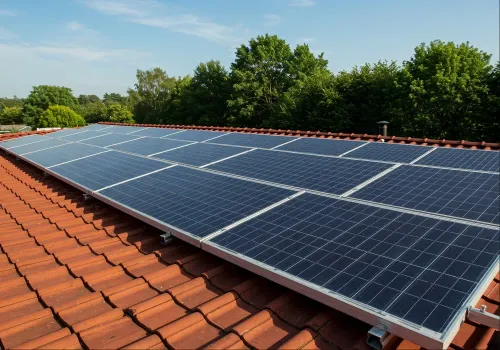

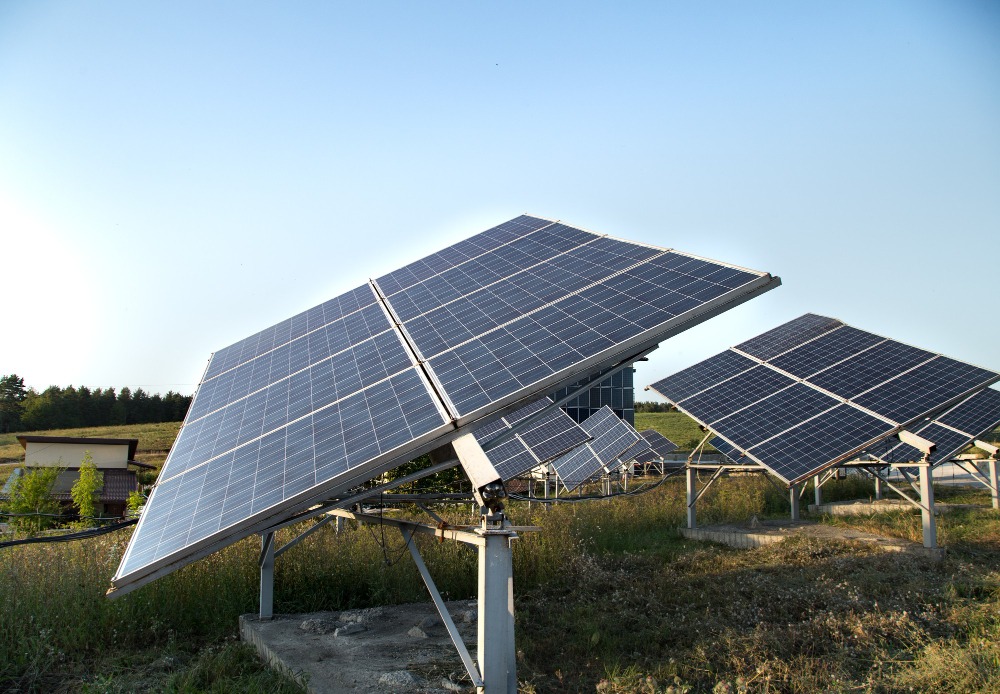
Solar energy has moved from being an alternative power source to a practical electricity solution for homes, commercial properties, factories, institutions, and other facilities. In Nagpur, where sunlight is available for a substantial part of the year, a properly designed solar power plant can convert available rooftop or ground space into a productive energy asset.
Understanding how the system works is useful before deciding its capacity, technology, or installation type.
How Solar Power Is Generated
A solar power plant uses photovoltaic panels to capture sunlight and convert it into direct current electricity. This electricity then passes through an inverter, which converts it into alternating current suitable for most electrical equipment.
A typical system includes:
- Solar photovoltaic modules
- Module mounting structures
- Solar inverter
- DC and AC cabling
- Electrical protection equipment
- Metering and monitoring equipment
- Earthing and lightning protection
- Batteries, where energy storage is required
The exact configuration depends on whether the project is on-grid, off-grid, or hybrid.
On-Grid, Off-Grid and Hybrid Systems
An on-grid solar system works together with the electricity grid. Solar energy generated during daylight hours can be used by the property, while grid electricity remains available when solar generation is insufficient. Subject to applicable regulations and metering arrangements, surplus generation may also be exported to the grid.
An off-grid system operates independently and normally requires batteries. It can be useful at sites where dependable grid connectivity is unavailable.
A hybrid solar system combines solar generation, grid connectivity, and battery storage. It provides greater flexibility for users who want solar savings along with backup capability.
What Determines Solar Power Generation?
Installing more panels does not automatically guarantee optimum output. Actual performance depends on several factors, including:
- Available sunlight
- Roof orientation and inclination
- Shading from trees or neighbouring structures
- Module efficiency
- Inverter sizing and efficiency
- Cable losses
- Dust accumulation
- System maintenance
Nagpur's climate makes periodic panel cleaning particularly relevant because accumulated dust can reduce the sunlight reaching the module surface.
Rooftop or Ground-Mounted Solar?
Rooftop systems make productive use of otherwise unused roof space and are commonly considered for houses, offices, hospitals, schools, showrooms, warehouses, and factories.
Ground-mounted solar plants are more suitable when sufficient open land is available or when the roof cannot accommodate the required capacity.
The right choice should be based on electricity consumption, structural conditions, available area, and long-term energy requirements rather than simply choosing the largest possible installation.
Why System Design Matters
Two solar plants of the same rated capacity can deliver different results when their layouts, components, and installation quality differ.
A detailed site assessment should consider shading, roof strength, equipment positioning, cable routes, safety provisions, maintenance access, and expected electricity generation.
For consumers across Nagpur and Maharashtra, understanding these fundamentals makes it easier to evaluate solar proposals realistically. A well-planned solar power plant is not simply a collection of panels; it is an integrated electrical system designed around the property's actual energy requirements.