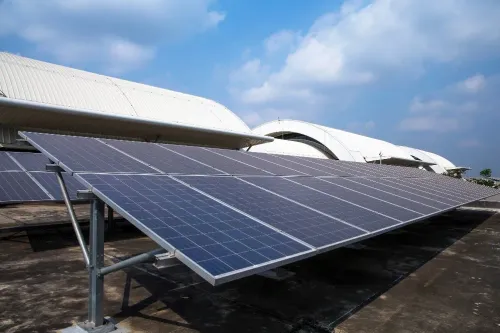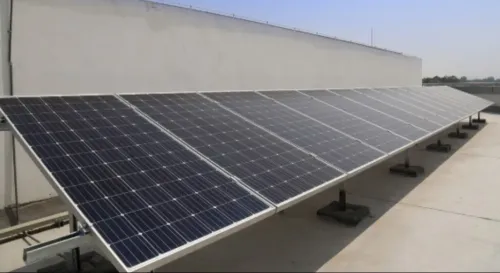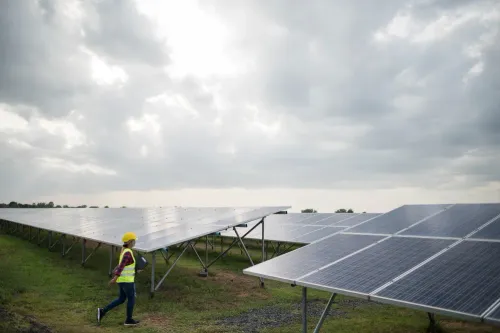

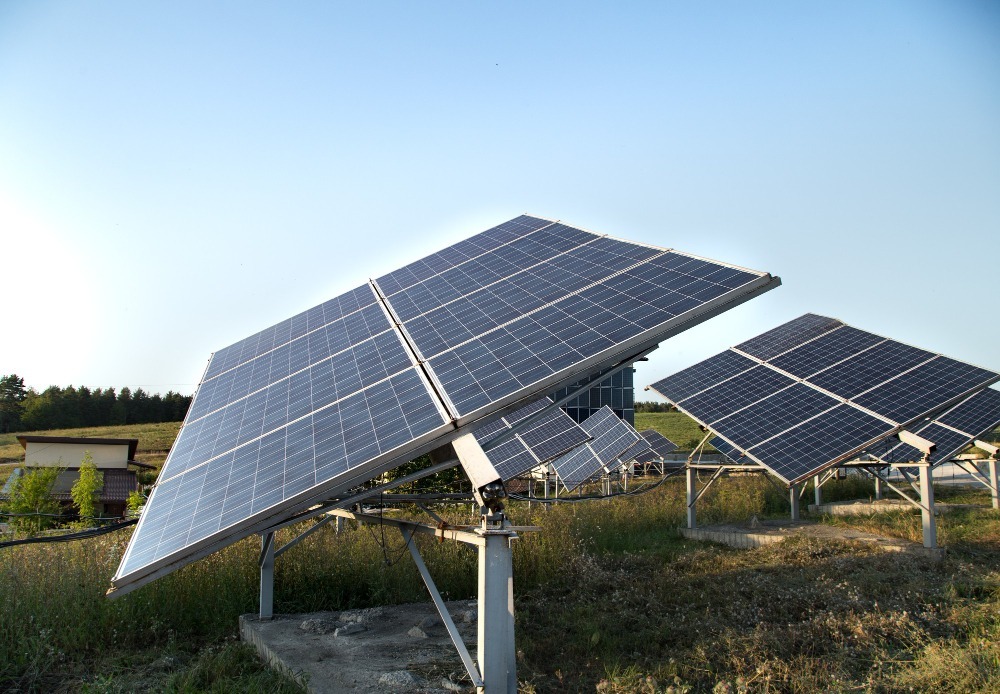
A solar power plant converts sunlight into usable electricity through photovoltaic modules, making it possible for homes, commercial properties, institutions, factories, warehouses, and other facilities to generate part of their power requirement on-site. In Nagpur, where solar exposure is substantial through much of the year, solar power has become an increasingly relevant energy option for consumers looking beyond complete dependence on conventional grid electricity.
The basic working process is straightforward. Solar panels receive sunlight and produce direct current electricity. An inverter converts this electricity into alternating current suitable for electrical equipment. Depending on the system design, the generated power can be consumed immediately, exported where permitted, or stored in batteries in systems designed for energy storage.
The right plant size is not determined simply by available roof or land area. A practical assessment should consider:
- Monthly and annual electricity consumption
- Daytime load pattern
- Available shadow-free installation area
- Roof condition or land suitability
- Existing electrical infrastructure
- Sanctioned load and applicable connection requirements
- Future expansion in electricity demand
- Whether battery backup is actually required
For a commercial or industrial property, the load profile is particularly important. A facility consuming significant electricity during daylight hours may be able to use a substantial share of solar generation directly. Residential requirements can be different because household consumption often increases in the morning and evening.
System performance also depends on engineering decisions that are less visible than the panels themselves. Module orientation, tilt, ventilation, cable routing, inverter sizing, mounting strength, earthing, protection devices, and shading analysis all influence how effectively a plant operates.
Nagpur's seasonal conditions should also be considered during planning. High summer temperatures, dust accumulation, monsoon conditions, and the structural characteristics of individual rooftops can affect installation and maintenance decisions. Periodic inspection and appropriate module cleaning can therefore form part of a sensible operating plan.
A solar project should be evaluated over its usable operating life rather than only by its initial purchase price. Consumers can compare expected annual generation, electricity consumption, applicable tariff, maintenance requirements, equipment warranties, and projected savings before deciding on capacity.
For customers in Nagpur and other parts of Maharashtra exploring solar generation, Lgps Hybrid Energy can be considered when assessing system requirements and technical feasibility. A site-specific assessment helps establish whether the available space and electricity profile are suitable for the proposed capacity.
Solar power works most effectively when generation capacity is matched to actual energy requirements. Starting with electricity bills, load patterns, and a proper site survey gives property owners a stronger basis for making an informed solar investment.