
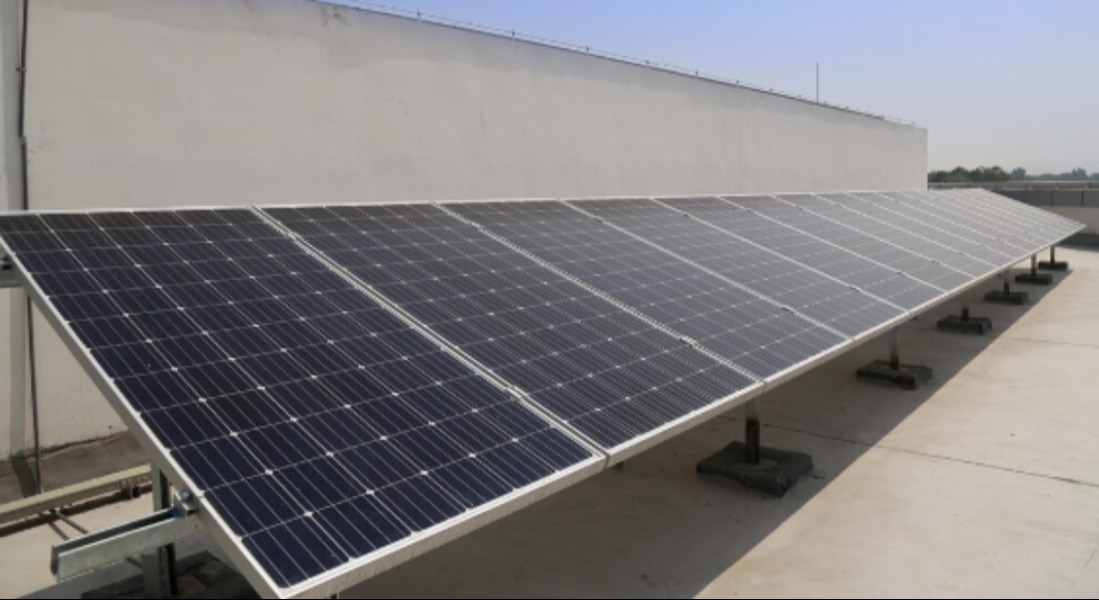
The PM Surya Ghar Muft Bijli Yojana has increased interest in residential rooftop solar across India. For homeowners in Nagpur, the scheme can make rooftop solar worth exploring, particularly for households looking to generate electricity at their own premises.
Because government programme conditions and procedures can be updated, homeowners should understand the current eligibility, approved process, technical requirements, and applicable subsidy provisions before committing to an installation.
What Is the Scheme Intended For?
PM Surya Ghar focuses on encouraging eligible residential consumers to adopt rooftop solar.
The project involves installing a suitable rooftop photovoltaic system connected according to applicable electricity distribution and programme requirements.
It is important to distinguish a government-supported rooftop solar programme from claims that every household will automatically receive the same financial benefit. Actual outcomes depend on system size, electricity consumption, eligibility, applicable subsidy provisions, generation, and other programme conditions.
Check Your Electricity Connection Details
Before beginning the process, verify the details associated with the residential electricity connection.
The consumer name, connection information, property details, and other records used during the application process should be accurate.
Discrepancies can create avoidable delays later.
Assess the Rooftop Before Choosing Capacity
Scheme eligibility alone does not mean every rooftop can support the same solar system.
A technical assessment should consider:
- Available shade-free area
- Roof condition
- Orientation
- Structural suitability
- Existing obstructions
- Electrical connection
- Household electricity consumption
The system should be planned around both programme requirements and practical site conditions.
Understand the Installation Process
Depending on current programme and distribution-company procedures, residential rooftop solar may involve application, technical feasibility steps, installation through the applicable process, inspection, metering requirements, commissioning, and subsidy-related formalities.
Customers should follow the current official procedure rather than relying on outdated social-media posts or old subsidy figures.
Ask the Installer the Right Questions
Before selecting an installer, clarify:
- Proposed system capacity
- Solar module specifications
- Inverter details
- Complete project cost
- Items included and excluded
- Applicable warranty
- Installation responsibilities
- Documentation support
- Post-installation service
Lgps Hybrid Energy serves solar customers in Nagpur and can assist households evaluating residential rooftop installations. Homeowners should ensure that any proposal aligns with current scheme and local electricity-distribution requirements applicable to their property.
Avoid Making the Decision Only for the Subsidy
Financial assistance can improve project economics, but rooftop solar remains a long-term electrical installation.
Equipment quality, installation, safety, expected generation, roof suitability, and maintenance should remain central to the decision.
For Nagpur homeowners, the most practical approach is to verify current PM Surya Ghar requirements first, understand the property's electricity consumption, complete a proper site assessment, and then select an appropriately sized rooftop system.