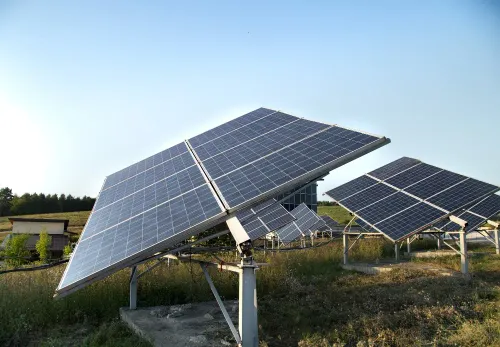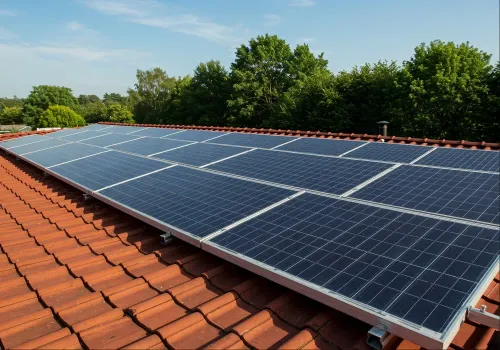


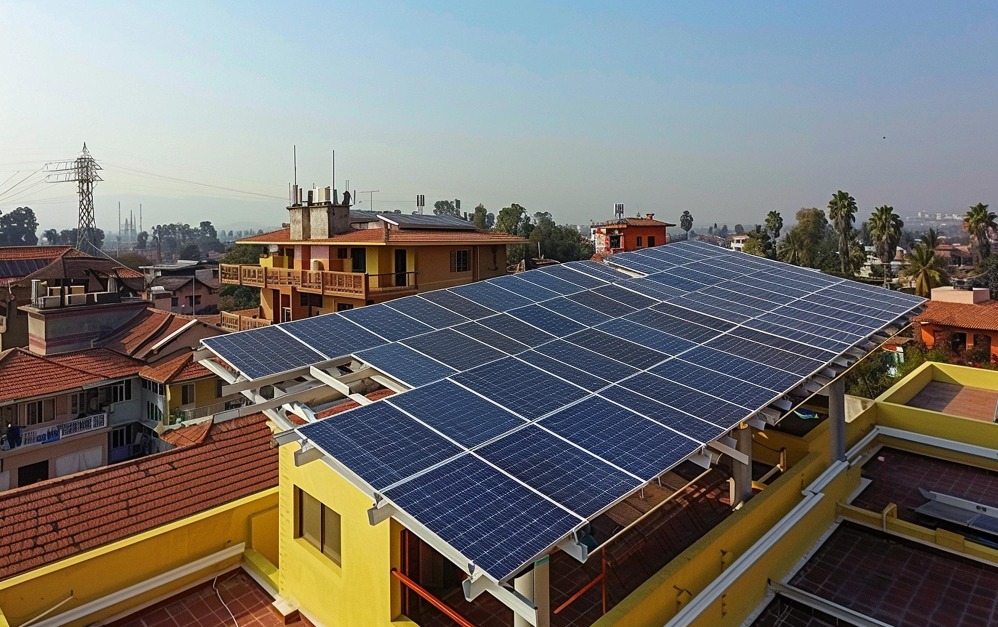
A solar rooftop system allows a property owner to generate electricity without requiring additional land. This makes rooftop solar particularly relevant for residential buildings, offices, educational institutions, hospitals, warehouses, shops, and industrial premises in Nagpur.
Before installing a system, however, the roof itself needs to be evaluated carefully.
Is Every Rooftop Suitable for Solar?
Not necessarily. A rooftop solar project starts with understanding whether sufficient usable, relatively shade-free area is available.
A site assessment normally examines:
- Total usable roof area
- Roof condition and structural suitability
- Direction and orientation
- Nearby trees and buildings
- Water tanks and other obstructions
- Safe maintenance access
- Existing electrical infrastructure
A large roof with significant shading may provide less usable solar area than a smaller roof with clear sunlight exposure.
Understand Your Electricity Consumption First
Solar capacity should ideally be planned after studying electricity bills and consumption patterns.
A household that consumes most of its electricity during the evening has a different usage profile from a commercial establishment operating primarily during daylight hours. Similarly, an industrial facility with large daytime loads may be able to consume a significant portion of its solar generation directly.
Looking at several months of electricity bills provides a more useful picture than relying on a single month's consumption.
What Equipment Goes on the Roof?
The most visible components are solar panels and mounting structures, but the complete system extends beyond them.
Depending on the project, equipment may include an inverter, distribution boxes, cables, earthing arrangements, protection devices, monitoring equipment, and metering components.
The mounting structure is particularly important because it supports the modules through years of exposure to sun, wind, and rain.
Shading Can Affect Performance
Even partial shading deserves attention. Water tanks, parapet walls, antennas, trees, or neighbouring buildings can cast shadows over panels at different times of the day.
Professional system planning considers changing sun angles rather than examining shade only at the time of the site visit.
Maintenance Access Should Not Be Ignored
Panels require periodic inspection and cleaning. A rooftop packed with modules but offering little walking or service space can make maintenance unnecessarily difficult.
Nagpur experiences dry and dusty periods, so practical access for module cleaning should be considered during the layout stage.
Plan for the Long Term
Property owners should also consider future changes. If another floor may be constructed or rooftop equipment could be added later, the solar layout should account for those possibilities where practical.
Solar rooftop installation is therefore more than determining how many panels fit on a roof.
For property owners in Nagpur, Maharashtra, the better approach is to begin with energy consumption, roof conditions, shading, safety, and expected generation. When these elements are considered together, rooftop solar can make productive use of available space while supporting long-term electricity requirements.