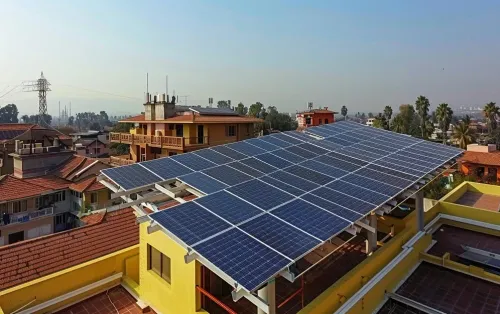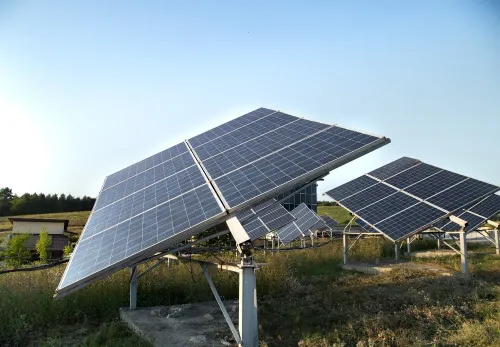


A solar water pumping system can use photovoltaic electricity to operate a water pump, reducing dependence on conventional electricity or fuel for appropriate agricultural and water-supply applications. For farmers and landowners around Nagpur and other parts of Maharashtra, the technology can be particularly useful where pumping is required during daylight hours.
However, selecting a solar pump simply by motor horsepower can lead to poor results. Water requirement and site conditions need to be evaluated together.
The first consideration is the source of water. A borewell, open well, pond, tank, or other source can require different pumping arrangements. The depth from which water must be lifted and the height to which it must be delivered affect the total head against which the pump operates.
A proper assessment should establish:
- Required quantity of water per day
- Borewell or source depth
- Static and dynamic water levels where relevant
- Total pumping head
- Pipe length and diameter
- Existing pump specifications
- Irrigation method
- Hours during which pumping is needed
- Available unshaded area for solar modules
Solar pumping and water storage can also be considered together. In some applications, pumping water into a storage tank during sunny hours may be more practical than storing solar electricity in batteries. The stored water can then be used when required, depending on the irrigation or supply arrangement.
Panel placement deserves careful attention on agricultural sites. Trees, structures, dust, vegetation, and future construction can affect sunlight exposure. The mounting system should provide appropriate stability while allowing access for inspection and cleaning.
Pump sizing is equally important. An oversized pump does not automatically deliver a better solution, while an undersized system may fail to provide the required flow or head. Hydraulic calculations and solar-array sizing should therefore be coordinated.
Farmers should also ask how controls and protection features are incorporated. Depending on the system, these can include protection against unsuitable operating conditions, electrical faults, or water-source limitations.
In Maharashtra, agricultural solar projects may also be influenced by applicable government programmes and implementation rules. Eligibility and project requirements should be checked according to the scheme relevant at the time rather than assumed from general information.
For customers evaluating solar pumping around Nagpur, Lgps Hybrid Energy can assess the pumping requirement alongside the solar generation requirement. Providing borewell details, existing pump information, pipe layout, and approximate daily water demand can make this assessment more useful.
Solar pumping is ultimately a water-management project as much as an electricity project. When water demand, pumping head, equipment selection, and solar capacity are calculated together, the resulting system can be better aligned with actual field requirements.